


Artificial intelligence (AI) is no longer a futuristic concept but a foundational technology deeply embedded in our daily lives and workflows. AI applications are becoming smarter, more autonomous, and deeply integrated into decision-making processes.
Here are the top 5 AI applications defining the landscape in 2026
1. AI-Powered Healthcare & Predictive Medicine
AI-powered healthcare and predictive medicine use machine learning and big data to analyze health information, enabling early disease detection, personalized treatments, and proactive care, shifting from reactive to preventative health by identifying risks before symptoms appear, optimizing drug discovery, improving diagnostics, and streamlining hospital operations, though ethical concerns like bias and privacy must be addressed.

Key Benefits
1. Early diagnosis of diseases like cancer and heart conditions
2. Personalized medicine based on patient data
3. AI-assisted robotic surgeries with higher precision
4. Reduced healthcare costs and faster treatment
2. Intelligent Virtual Assistants & AI Agents
Intelligent Virtual Assistants (IVAs) and AI Agents are advanced AI-powered systems that use NLP, ML, and LLMs to understand, converse, and automate tasks, going beyond simple chatbots by handling complex, intent-driven interactions across voice/text channels for customer service, sales, and internal operations, offering personalized, human-like experiences and continuous learning.
Virtual assistants in 2026 will go far beyond simple voice commands. AI agents will be capable of handling complex tasks independently, such as managing schedules, booking travel, responding to emails, and even negotiating with vendors.
Key Benefits
1. Human-like conversations and emotional understanding
2. Autonomous task execution
3. 24/7 customer support without human intervention
4. Increased productivity for businesses and individuals
5. These AI agents will become digital coworkers across industries.
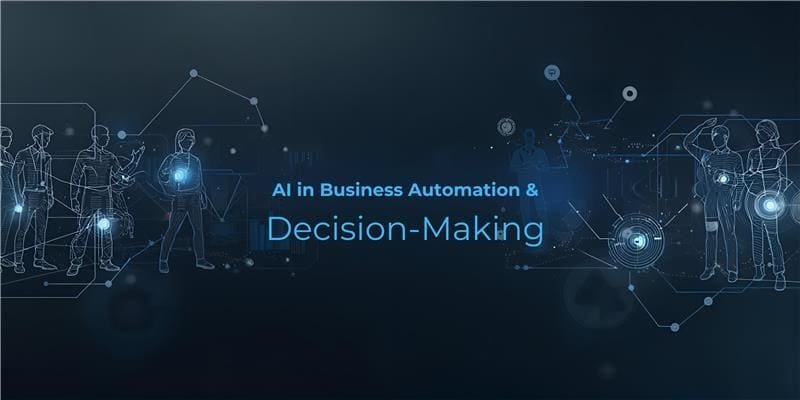
3. AI in Business Automation & Decision-Making
AI in business automation streamlines repetitive tasks and elevates decision-making by analyzing vast datasets for insights, enabling faster, more accurate, and strategic choices, moving from simple task automation to augmenting complex strategic planning with predictive analytics and supporting autonomous actions, ultimately boosting efficiency, reducing errors, and freeing human focus for innovation. The human role is shifting from performing these routine tasks to overseeing and managing these digital colleagues, demanding a new set of skills focused on human judgment and strategic thinking.
Key Benefits
1. Smart demand forecasting and inventory management
2. Automated financial analysis and fraud detection
3. Data-driven decision-making with real-time insights
4. Improved efficiency and reduced human error
5. AI will shift businesses from reactive to predictive operations.
4. Generative AI for Content Creation & Design
Generative AI revolutionizes content creation and design by using AI models (like GPT, DALL-E, Firefly) to produce unique text, images, audio, and video from prompts, automating tasks, personalizing experiences, and boosting efficiency for professionals by handling mundane work and generating creative building blocks like vectors or textures, enabling faster, more tailored, and higher-quality outputs across marketing, design, and media.
Key Benefits
1. Faster content production
2. Cost-effective marketing solutions
3. Personalized content for different audiences
4. AI-assisted video editing, image generation, and branding
5. Businesses will use generative AI to scale creativity while maintaining consistency and quality.
5. AI in Cybersecurity & Fraud Prevention

With the increase in digital threats, AI has become an essential bodyguard for our data. In 2026, AI will be the first line of defense against cyberattacks by detecting threats in real time and responding automatically. AI-powered cybersecurity platforms in 2026 employ predictive analytics to spot unusual transaction patterns or network anomalies that might indicate a breach, often before it even occurs. This pre-emptive approach ensures continuous monitoring and automated responses to threats, moving security from a reactive function to a proactive, built-in system.
Key Benefits
1. Real-time threat detection and prevention
2. Behavioral analysis to identify suspicious activity
3. AI-driven fraud detection in banking and fintech
4. Automated security responses without human delay
5. AI will help organizations stay one step ahead of cybercriminals.
Conclusion
The year 2026 will mark a turning point where AI becomes an essential part of everyday life and business operations. From healthcare and cybersecurity to automation and creativity, AI applications will continue to evolve, making systems smarter, faster, and more reliable.Organizations that adopt AI early will gain a competitive advantage, while individuals will experience enhanced convenience and productivity. The future belongs to those who embrace AI innovation today.